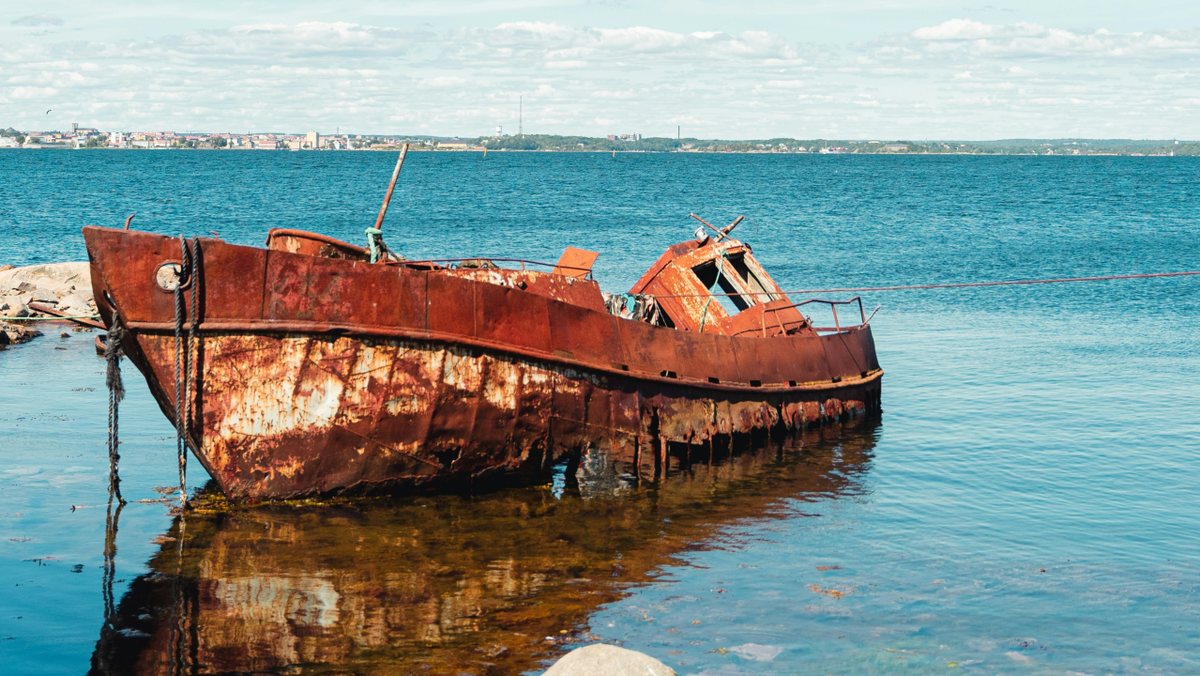
A lack of clarity on our future leaves our present up for grabs.
Australia is drifting. Our political system is paralysed by policrastination — the deferral of hard decisions under the pressure of short-term costs. But beneath this lies something deeper and more dangerous: a slow erosion of our shared identity. Without a unifying story of who we are and where we’re going, our cohesion as a nation is fraying before our eyes.
The anti-immigration protests on 31 August 2025, known as the "March for Australia," are just the latest expression of this void. While framed as concern over housing and infrastructure pressures, the events were laced with exclusionary nationalism and racial anxiety. Chants of "save the nation, stop the invasion" and placards declaring "white unity at every opportunity" exposed a darker undercurrent: the weaponisation of uncertainty and economic frustration into a narrative of cultural threat.
Immigration has become the scapegoat for problems created by political inertia and planning failures. The lack of clear national direction has left many Australians unsure of what is being protected, and even more unsure of what is being created. That uncertainty is dangerous. It leaves those with legitimate concerns vulnerable to alignment with actors whose motivations are far more extreme, adding fuel to the fire of polarisation and outright violence.
This is the unfortunate predictable outcome of identity denial. In the absence of a shared civic story, opportunists step in to tell a simpler narrative, geared to mobilise the masses towards a future that favours some and excludes others. As Australia struggles to articulate what it stands for in the 21st century, movements rooted in nostalgia and grievance gain traction. We default to division when we can’t agree on a direction. A lack of clarity on our future leaves our present up for grabs.
We should be clear: the economic arguments made by the protestors don’t hold. Australia’s economy depends on immigration. Without it, our ageing population and declining birth rate would lead to a shrinking workforce and mounting pressure on essential services. Migrants not only make up most of our new workers, they also fuel innovation, start businesses, and keep critical sectors like healthcare, education and construction running. Blaming migrants for housing shortages or congested infrastructure distracts from years of underinvestment and political inaction.
And if you are truly anti-immigration, you had better get serious about climate change. Rising seas and shrinking habitability in nations like Tuvalu mean Australia will continue to face regional migration pressures, largely as a product of our own inaction. Without increased climate action and international cooperation, the demands of climate migration will continue to increase with Australia having an undeniable level of responsibility in our region.
Yet facts alone won't bridge our divides. The problem isn't just disinformation, it’s disconnection. Young Australians are increasingly reporting a sense of disconnection, feeling unable to see themselves reflected in the national narrative, while overall trust in government continues to falter. Meanwhile, polarised debates over The Voice, Invasion Day Day, and immigration reveal a vacuum where shared values should live.
That vacuum isn’t accidental. As highlighted in recent analysis, Australia suffers from three interlocking denials: historical denial of our colonial past and First Nations dispossession; cognitive denial of our short-term bias in policy; and identity denial, the failure to define who we are or want to be. These denials don’t just distort our history. They cripple our capacity to govern for the future.
What we are witnessing now is the erosion of social cohesion, not from multiculturalism or migration, but from the absence of a national narrative that holds us together. Without a compelling sense of shared purpose, people feel unanchored. And in that void, they are drawn into rhetoric that is damaging and divisive. We see this most clearly when ordinary Australians, with non-radical concerns about housing or infrastructure, find themselves shoulder to shoulder with neo-Nazis. This is not because they share the same ideology, but because they feel adrift and unheard.
Building a future-fit Australia means confronting these truths. We must move from managing decline to imagining the nation we want to become. That begins with investing in the cultural infrastructure that binds diverse societies together: civic education, inclusive national storytelling, and spaces where Australians can participate in shaping the shared vision of what we stand for.
This is not a call for another summit or white paper. It is an undeniable call to rehumanise our politics by building a foundation of belonging and purpose. We have seen how countries like Wales and Singapore have reignited trust and direction through bold, inclusive vision-building. Australia can do the same. But we must be willing to create the conditions for collective authorship, to ask not only where we are headed, but who we are becoming as our future depends on whether we choose drift or direction